Smith Lake Hides a Secret: A Town Called Falls City Most people
Smith Lake Hides a Secret: A Town Called Falls City Most people who boat, camp, or fish on Smith Lake have no idea that an entire community once existed far…
Smith Lake Hides a Secret: A Town Called Falls City
Most people who boat, camp, or fish on Smith Lake have no idea that an entire community once existed far below the surface. Before the valley filled with water, the area was home to Falls City, a quiet but determined settlement built around the powerful Clear Creek Falls in the Cullman and Winston County region.
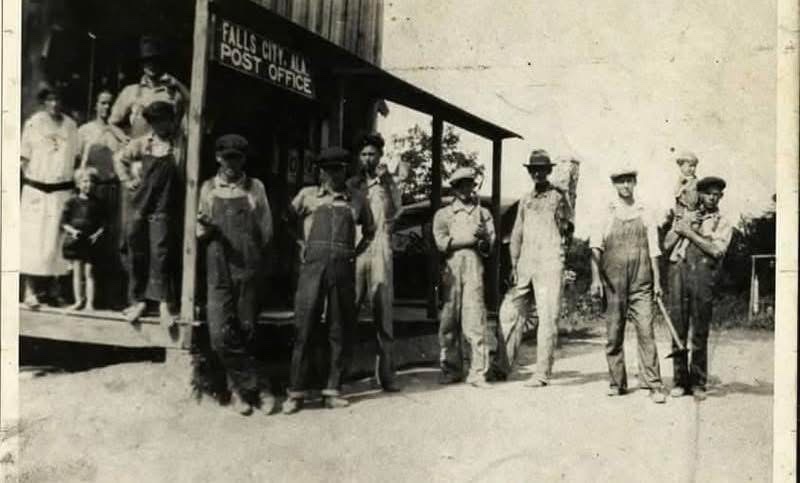
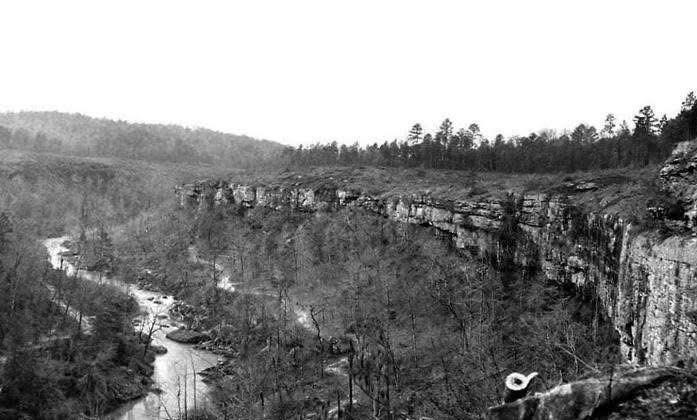
The community began in 1853 when a small post office opened under the name Clear Creek Falls. Over time the name changed to Elk and eventually to Falls City. At its height, the town featured a few stores, a gristmill, churches, a doctor’s office, and a small hotel. The biggest draw was the set of twin waterfalls that dropped nearly eighty feet, making the area well known throughout the region.
Many people believed Falls City would grow into a thriving industrial hub. The constant flow of water seemed perfect for powering mills and factories. But the dream never took off. The town was isolated and difficult to reach. There were no railroads, no major roads, and the rough paths winding through the hills often turned to mud after rain. Travelers said the journey felt twice as long as the miles suggested.
Railroad companies surveyed the area many times, but each one eventually chose easier routes. Without transportation access, the community struggled. Families slowly moved away and by the early 1900s the population had already begun to fade. The post office closed for good in 1953.
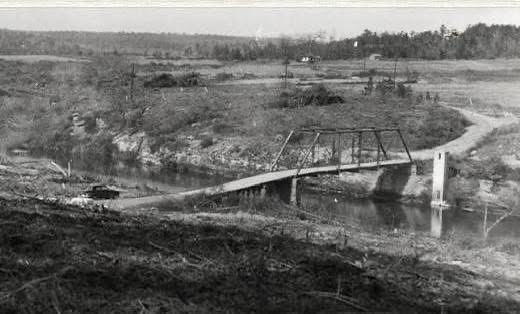
Only a few years later, everything changed. Alabama Power announced the construction of Lewis Smith Dam, a massive project that would reshape the entire region. Surveyors carefully marked the future waterline. Logging crews cleared timber from the valley. Families sold their homes. Cemeteries were respectfully moved to higher ground.
When the dam was finished in 1961, the water began to rise. Locals gathered along the ridges to watch the valley disappear. They saw the fields vanish, the old roads vanish, and finally Clear Creek Falls vanish. Many described it as watching history slowly sink out of sight.
Today, the remains of Falls City lie deep beneath Smith Lake. The foundations of old homes, the footprints of stores, and the former bed of Clear Creek are all hidden under the water. Only photographs, memories, and a few surviving records tell the story of the town that once tried to build a future at the foot of the falls.
The community never became what early settlers hoped for, but in an unexpected twist, the lake that replaced it became one of the most visited recreation areas in Alabama. The quiet valley that once belonged to Falls City continues to play a role in the life of the region, even if it can no longer be seen.
Information for this story was drawn from historical records, news archives and the local historical society.
MCTV Staff Reporter B.C